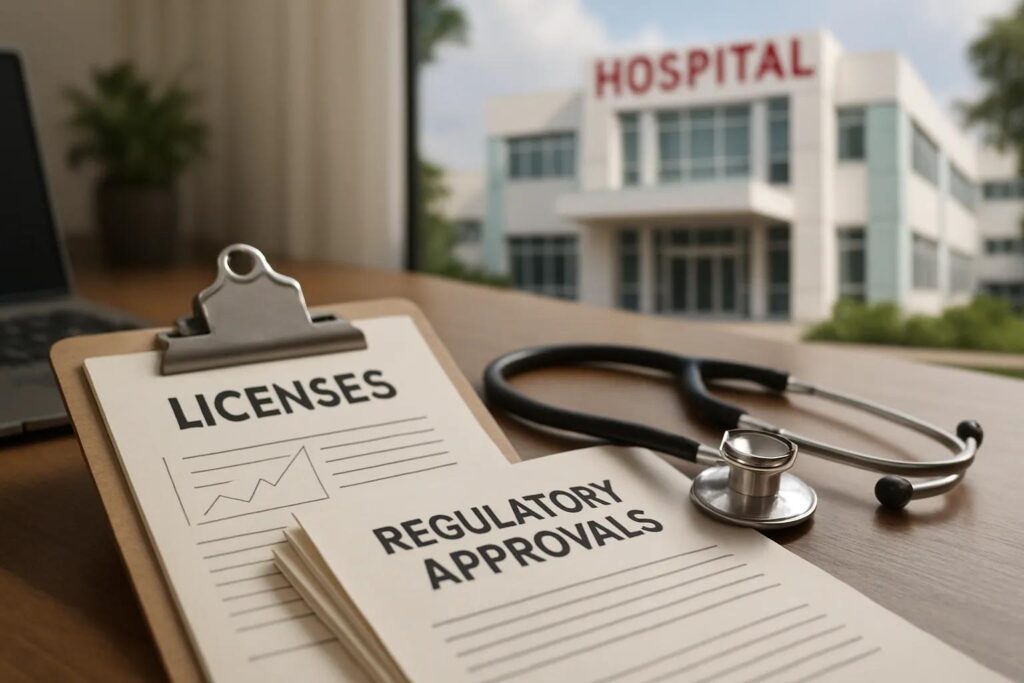
Setting up and operating a business in regulated sectors often requires approvals from multiple authorities such as municipal corporations, pollution control boards, and fire departments. Each authority has its own set of regulations, documentation requirements, and approval timelines. The lack of coordination between these departments creates a fragmented compliance environment where businesses struggle to meet overlapping expectations.
Many founders enter this process without a clear understanding of how these approvals interconnect. As a result, they face repeated objections, application rejections, and prolonged delays. What seems like a straightforward approval process quickly turns into a complex cycle of follow-ups, corrections, and re-submissions, impacting both time and operational readiness.
Starting a business isn’t just about registration—local approvals like BBMP trade licenses, Pollution Control Board (PCB) clearances, and Fire NOCs often become major roadblocks if not handled properly.
Key Hidden Compliance Risks
– Misalignment between approvals from different authorities
– Applying without meeting prerequisite conditions
– Inconsistent documentation across departments
– Lack of clarity on technical and safety requirements
– Delays due to dependency on inspections and site approvals
Why These Risks Matter
When approvals from authorities like municipal bodies, pollution control boards, and fire departments are not aligned, businesses face serious operational bottlenecks. A delay or rejection from even one authority can halt the entire setup process, leading to cost overruns and missed launch timelines.
In addition, non-compliance with safety or environmental norms can result in heavy penalties, legal notices, or forced shutdowns. For growing businesses, such disruptions not only affect revenue but also damage credibility with stakeholders, investors, and customers.
The Right Approach
A strategic and well-coordinated approach is essential to navigate multi-department approvals. This begins with understanding the interdependencies between different authorities and preparing documentation that meets all regulatory requirements simultaneously.
Businesses should follow a structured sequence—ensuring prerequisite approvals are secured before applying to the next authority. Regular follow-ups, site readiness for inspections, and expert guidance can significantly reduce delays and improve approval success rates.
“The biggest challenge isn’t getting approvals—it’s aligning them. When BBMP, PCB, and Fire NOC don’t move together, businesses get stuck in delays that affect timelines, costs, and growth.”